
The worst love language.
What would you do to keep the people you love with you?

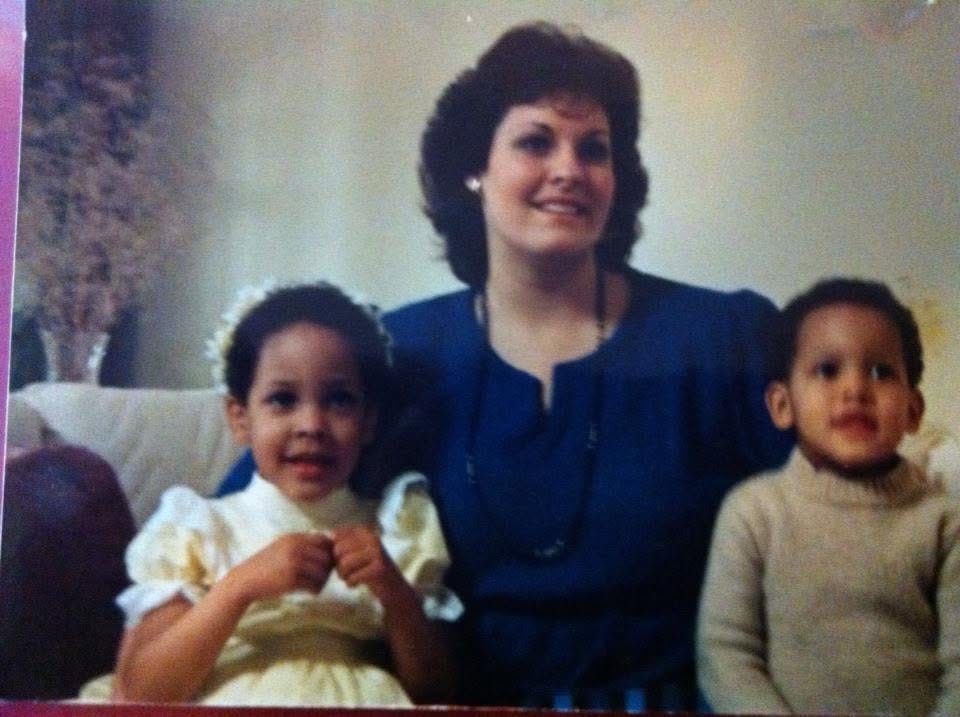
Perhaps it started with my mom. My earliest recurring dream as a child, starting around age six, is finding out that someone killed her. A man walks me through a dark warehouse. He tells me to look up. “This is what I did to your mom,” he says. I look up and there is my mom, pieces of her, hung from meathooks.
I wake up from these dreams with a strangling cry in my throat, then the tears come. I rush into my mom’s room. “Mom?” I say. “Mom? Mom? I had a bad dream. A dream you died.”
I know even at six not to tell my mom the details of the dream. “Mom, don’t ever die, okay?”
My mom sleepily pulls me into the bed with her. “Oh honey,” she says. “I’m so sorry you had a bad dream. I’m not going to die for a very long time. Not until you are very old. I promise.”
My mom doesn’t seem very interested in keeping that promise, it seems to child me. My mom was fat, and to little me, that had been a wonderful thing about her. She was squishy and soft and loved hugs and was so strong she could toss us up into the air. She would take us into the swimming pool and my brother and I would cling to her, giggling as she glided to the water carrying us along. She was safe, and the fact that there was more of her made us feel more safe.
But as my mom got bigger the rest of the world felt that it was important that we all know that this was killing her. Mom was too big and even as she swung us around in the bedroom until we were dizzy and tossed us onto the bed like professional wrestlers in the ring while we laughed hysterically - even then she was dying, from fat.
“You have to talk to your mom,” family members would say, “tell her you want her to go on a diet. She’s going to eat herself to death.”
But we didn’t tell our mom to go on a diet, not once. We didn’t need to. We could see how every single person in mom’s life was already telling her. For her birthday, for Christmas, almost every year someone would buy her a membership to Jenny Craig or send large boxes of disgusting weight loss shakes to our apartment. We were so poor then, eating at times exclusively from food banks and church soup kitchens. We had no phone for years at a time, often our electric service would be cut off. Nobody ever had money to help us with that. “You should budget better,” they would say. But we regularly got offers from people who were willing to shell out hundreds, if not thousands, of dollars to enroll my mom in the latest weight loss program.
When my mom developed sleep apnea I was sure this was proof that mom was dying. My bedroom shared a wall with hers, and I was used to falling asleep to the sound of her snoring. It was a regular rhythm of the night in our house, as regular as the tick of the old cuckoo clock my mom had found at a garage sale for $10 and had lovingly hung on our living room wall. But then one night it wasn’t. One night the snoring stopped and I jolted awake. Was mom awake? Was someone in the house? I listened for her footsteps, perhaps walking to the bathroom, but she didn’t move. I sat up perfectly still, trying to figure out what was happening, until some seconds later when the snoring started again. My heartbeat started to slow down and my eyes started to close when the snoring stopped again. I tried to pause my own breathing as much as possible to figure out what was happening. When her breathing started again with a horrible gasping sound, it confirmed to me what everybody had been saying: my mom was dying.
For months I would wake up every night to the sudden sound of silence, counting desperately until I heard the gasping sound of breath again. If it sounded longer than usual I would leap out of bed, tripping over the mess of my room, to go shake my mom awake.
“Mom, you aren’t breathing!” I would say. She would look at me blurrily and mutter that she was fine and tell me to go to bed. If I did this more than once in a night she would snap at me, “Joma, I have to work in the morning. You have to stop doing this. I’m not going to die.” But I knew that the only reason why she was still alive was because I was keeping vigil.
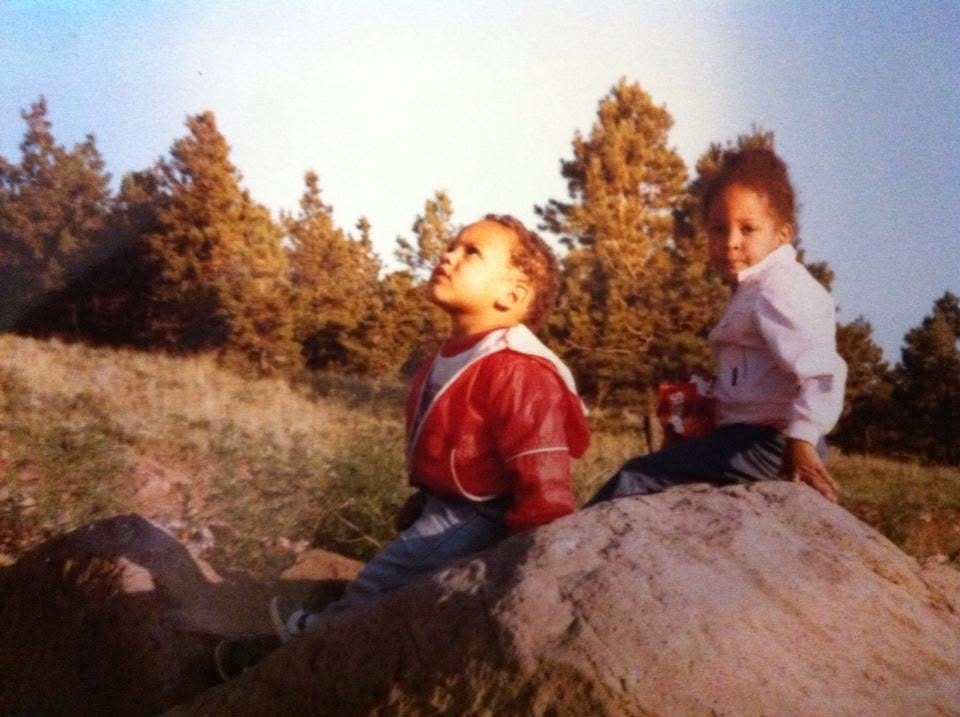
One day in 5th grade I was sitting in my room reading a book when my mom burst in. I was curled up on a corner of my bed surrounded by laundry that I was never going to put in their drawers. I was seething at Jessica and how casually mean she could be to her twin sister Elizabeth who was always just trying to do the right thing. Why couldn’t people appreciate us? As my door flew open I jumped out of my skin at the sudden interruption from the fantasy world of righteous indignation I was in.
“Joma, tell me you’ve hid money somewhere,” mom said breathlessly in a way that told me she had already searched all the ashtrays and couch cushions. I sat the book down and started rummaging at the large gap between my twin bed and the wall. I tossed out dozens of sheets of paper, mostly the beginnings of stories and drawings of topless mermaids (which I sold at school to boys for $3. “You didn’t get this from me,” I would say as I would hand over the folded contraband of uncovered nipples to my classmates at the end of the day. I learned not to hand them out at the beginning of class, as the giggles of prepubescent boys throughout the day as they huddled over the picture almost got me sent to the principal’s office a few times). I then threw a few candy wrappers and empty packages of ten cent ramen noodles that my friends and I used to crumble up in the package and eat like chips onto the floor in my search.
There, at the bottom of the space between my bed and the wall, I found a floral patterned file keeper. It was for receipts, I think, the size too small for full sheets of paper. But on each divider I had written expense categories, “gas,” “food,” “electric” etc. My mom had given it to me months earlier. “You’re good with numbers,” she said, “you can help with the bills.” I had worked out a budget using my mom’s typical paycheck and had shown her how we could just about make it if she handed over the paycheck to me each month. But it quickly became clear that “just about,” was too far from “make it” and so much of the money was spent before the check even arrived, that after a few months I wasn’t handed anything at all to work with. But I would scour the house for any money I could find to hide away in the files. If my mom sat any change down, a few quarters here, a few dollars there, I would grab it and put it in a folder. Sometimes, I would be lucky enough to grab a twenty. My mom hated when I did this, especially because I would always feign ignorance when she would ask if anybody had seen her $20. But then at the end of the month, when she would be crying that she couldn’t get to work because she was out of gas, or that she didn’t have money to send us on a field trip that we were so excited about, I would run to my room and grab the money I had in the file and give it to her.
This time as I searched through the folder I only had a few dollars and some change. I handed them over, “This is all I have,” I said. Her face fell. “Okay, thanks honey,” she said with a small smile, trying to mask her disappointment.
I should have done better.
By the time I turned eighteen I was eager for independence. I was so tired of worrying about everything. I was so tired of taking care of everyone. My mom would occasionally call me selfish because I never wanted to spend time with her and my siblings. But I already spent so much time thinking of them, all day, every day. I didn’t want to have to be with them too. I found an apartment shortly after graduation and moved out, excited to actually be selfish for once.
I remember fighting with my mom the day I moved out, over toilet paper. I hadn’t packed enough, my mom insisted. She had gone to Costco just for this, I needed to take more. She tried to squeeze more rolls into the trunk of my tiny $600 Honda whose brakes didn’t work in the rain. She argued through tears that it was irresponsible for me to move out with only four rolls of toilet paper.
“Mom, I’ll be fine.” I insisted. “I know how to take care of myself.” And I did. I also didn’t have time for this. Clouds were forming and if I didn’t leave soon it would start to rain and then I would be stuck there until the weather cleared up.
At first I luxuriated in my little selfish life in my tiny, one bedroom apartment that I shared with my two gerbils Simon and Garfunkel. My life was small and contained. I would go to work at the bank (RIP Washington Mutual) in the morning. I lived close enough that I could walk if it rained. I quickly became a lead teller due to my obsessive compliance with bank rules and my ability to remember most of my customers by face, which the elderly ladies who treated their weekly deposits as one of their social outings loved. I would put on a jacket during my breaks and smoke with my coworker Josh. At the end of the day I would go home and make dinner, then I’d curl up with a book and read. I would pile all the dishes on the sink and leave them for later. On payday weekends Josh and I and a few friends would drive up to Vancouver BC to go drinking and dancing at the 19 and over clubs. We would then pass out in the $20 Travelodge hotel room we shared.
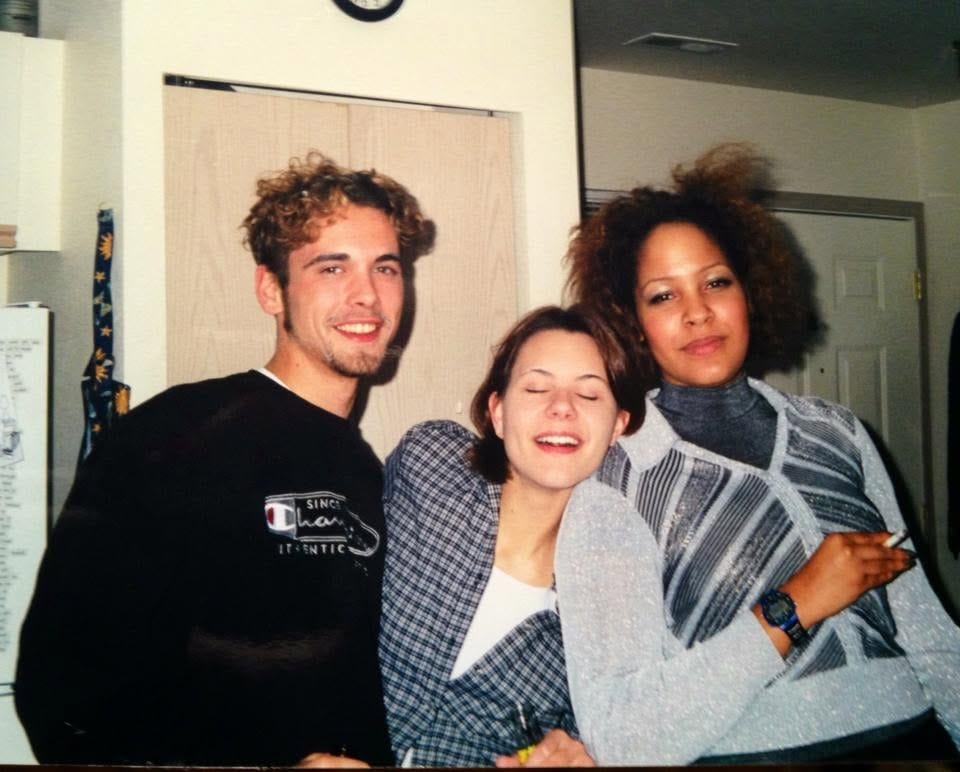
I wasn’t yet twenty when I became pregnant. I had left the bank by then to go back to school. Simon and Garfunkel were gone (Simon ate Garfunkel one weekend while I was way and I couldn’t look at Simon after that so I gave him away) and the joy of doing nothing and worrying about nothing had faded. It was time to grow up. But before I had even enrolled for my first semester of community college, I was sitting in the bathroom with a positive pregnancy test. My boyfriend and I stared at the red lines on the stick in shock. A few weeks later he proposed. I said yes, with little fanfare or excitement. I don’t think I even paused to consider if I liked my boyfriend or not. This is what you did when you were pregnant.
I was numb to the entire prospect of pregnancy and motherhood. None of it was real yet. All I had to tell me that I was pregnant was a missing period and a stick with two lines on it.
Weeks later we walked to a clinic where a nurse held a device to my stomach to confirm the heartbeat.
“There it is,” she said with satisfaction. Suddenly I could hear this fast-pace wooshing sound.
“That’s your baby,” she said.
I remember a cold sweat enveloping my body as I heard the heartbeat. Absolute dread filled my body. There was something inside of me that would be a baby. Would be my baby. But only if I did absolutely everything right. And I had to do everything right, because I knew right then that if something went wrong I would not be okay.
I remember thinking that my life was over. This was a desperate love I’d never experienced before. There was something that could ruin me, something that would stop me from ever being free of the worries, the nightmares. Motherhood.
And of course it wasn’t all worry and nightmares. The worries, the nightmares, they walked beside me day and night. They were at times so much worse than I had envisioned that day in the clinic. But they were only worse because my heart absolutely beat for my son. His smile was the most beautiful thing I had ever seen. His laugh better than any piece of music I had ever heard. I had never enjoyed loving someone before. I had never been able to experience love outside of how I cared for people until then. And yes, I cared for my son with the intensity that only an over-anxious mom can. But he made me smile, he made me laugh. Just running my fingers through his glossy curls calmed the racing thoughts in my head, at least for a little while.
It was this joy that made the worry even more intense. Our apartment was in a brick building and we live in a state where all children were given earthquake drills every year in preparation of the “big one” that had yet to come. While I was pregnant there was a smaller earthquake and a lot of the walls in our brick-heavy Pioneer Square area had fallen down. The main wall in the baby’s room was brick. I stared at this wall and imagined it tumbling down in an earthquake. We needed to move the crib away from the wall, I told my husband. It was too risky.
"You’re being ridiculous,” he said. “It doesn’t make sense to move the crib to the center of the room.”
I tried to argue over and over that the crib needed to be moved and eventually my husband lost his patience with me and yelled. My paranoia was not his problem, he said. The crib stayed where it was.
Each night I would pretend to read a book until I could hear my husband snoring beside me. Then I would slip out of bed and gently pull my son’s crib out to the middle of the room, out of reach of the falling bricks. I would stare at the beautiful face of my sleeping child and take a deep breath. Then I would go back to bed. I would wake at my husband’s first alarm (he always hit snooze a few times before getting out of bed) and tiptoe over to my son’s room again and place the crib back against the wall.
I did this every night of my son’s early life, until I left my husband just before his first birthday. A few months earlier my husband’s mental health had started to decline. He had become increasingly angry and threatening. He hadn’t been able to work, had been banned from driving. He had started hearing voices. When he would run out of the apartment screaming that I was driving him crazy, I would call his friends to go get him to ensure he was safe. They would bring him home and calm him down. They would put him to bed on the futon in the livingroom and I would call my mom to come get my son for the night. She begged me to come with her. I couldn’t, I said. I needed to make sure he was okay. If he woke up and I wasn’t there, I didn’t know what he would do. So I would lock our bedroom door and curl up around a pillow and cry until I was exhausted enough to fall asleep.
When my son started flinching at loud noises I knew I had to leave. I saw him cower and I was filled with shame. I had lived through every one of my mom’s shitty boyfriends and I swore I would never sacrifice my child’s wellbeing for a man, and here was my son flinching away from me as I yelled in surprise one day. He flinched and then toddled over to the corner and faced the wall.
No no no no no. My fault, my fault, my fault. I had already waited too long. I had to leave.
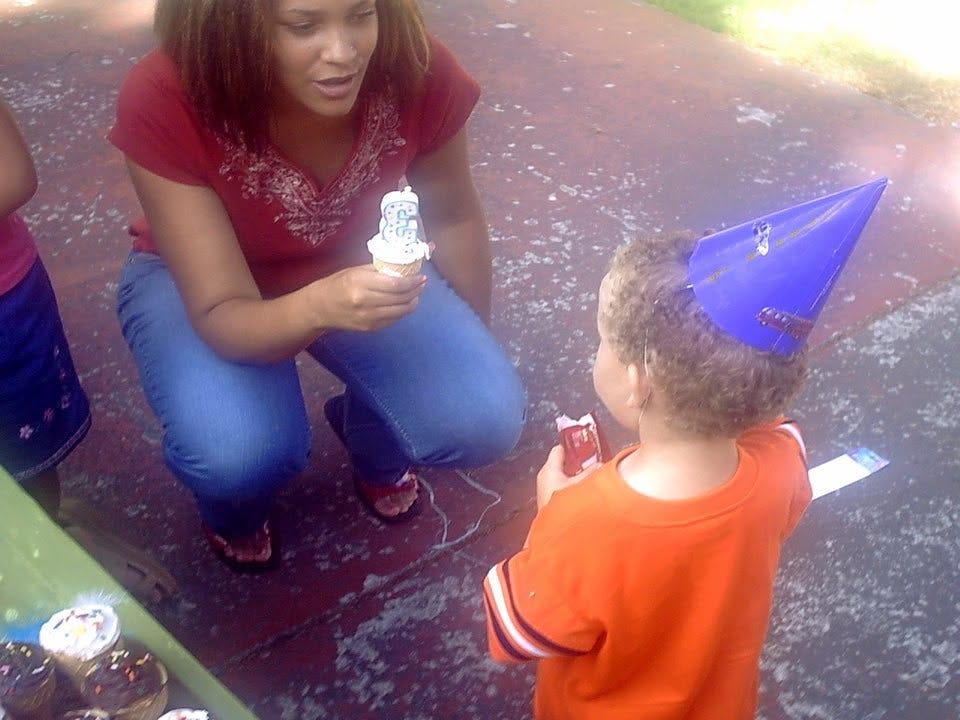
When it was just me and my son, I felt like I could breathe again. I was not a perfect mother, by anybody’s measure - certainly not by mine. I was horribly messy and disorganized. I had little patience for playing Candyland, and even less for pushing toy cars around on my son’s little racetrack rug in his room. But I could be careful and worried and nobody was there to yell at me for it. If my son tried to run out into traffic (as toddlers seem to love to do) and I would grab him just in time, I would replay the movie of him being obliterated by the car over and over in my head for days. My chest would tighten and a sob would catch in my throat. I would silently cry for hours, as we played in the park. My hands would shake as I pushed my son in his swing. But nobody would tell me that I was being stupid. Nobody but me would tell me that it was my fault. Nobody would impatiently yell at me to “snap out of it.”
I had just enough energy to worry about my little family. Just enough joy to justify it all. Our day to day was predictable enough to balance the unpredictable horrors in my mind of all that could go wrong.
I would get lonely occasionally. I would sometimes, late at night, I would imagine I was a different person. A woman so carefree that people would be drawn to her, wanting to experience a bit of that unfettered life. If I imagined this enough, I would convince myself that I could be someone who would enjoy dating. People were always trying to fix me up. I was pretty, I was told, and still young - even if I had a kid. I should be out there in the world, falling in love. I would go on dates, sometimes even second and third dates. Sometimes those dates would turn into relationships. And eventually it would strangely remind me of my childhood. I was, I’m sure you’re surprised to read, not the carefree dating woman of my dreams. I would analyze every date while I was in it and for hours after. I would replay every sentence in my head, try to decipher every look my date gave me. I would spend so much time worrying about the relationship that I didn’t want to also be in it. Worrying about it was exhausting enough. I didn’t have room in my life to think about someone I wasn’t even sure I really liked this much and also spend time with them.
When I had my second child, it was clear that there was no room in my life for any more people to worry about, and I gave up on the idea of romantic love.
“I don’t think I can fall in love,” I told my brother one day in my early thirties, “I don’t think that part of me exists. I love my children, that is it. There is no other person I want to be around enough to be worth the work of it all.”
“Ijeoma, when you fall in love it won’t feel like work,” he said. “You’ll just want to be with that person.”
I knew I was in trouble the first night Gabriel and I spent together. I woke up the next morning and looked at his sleeping face and felt a panic similar to when I heard my first son’s heartbeat for the first time.
Fuck. I texted my friend Melody, one of the few people who had something of an idea of how terrifying my brain was. “I slept with Gabriel,” I said. “I’m in trouble.”
“Relax,” she said, “This is a good thing. You’ll be okay.”
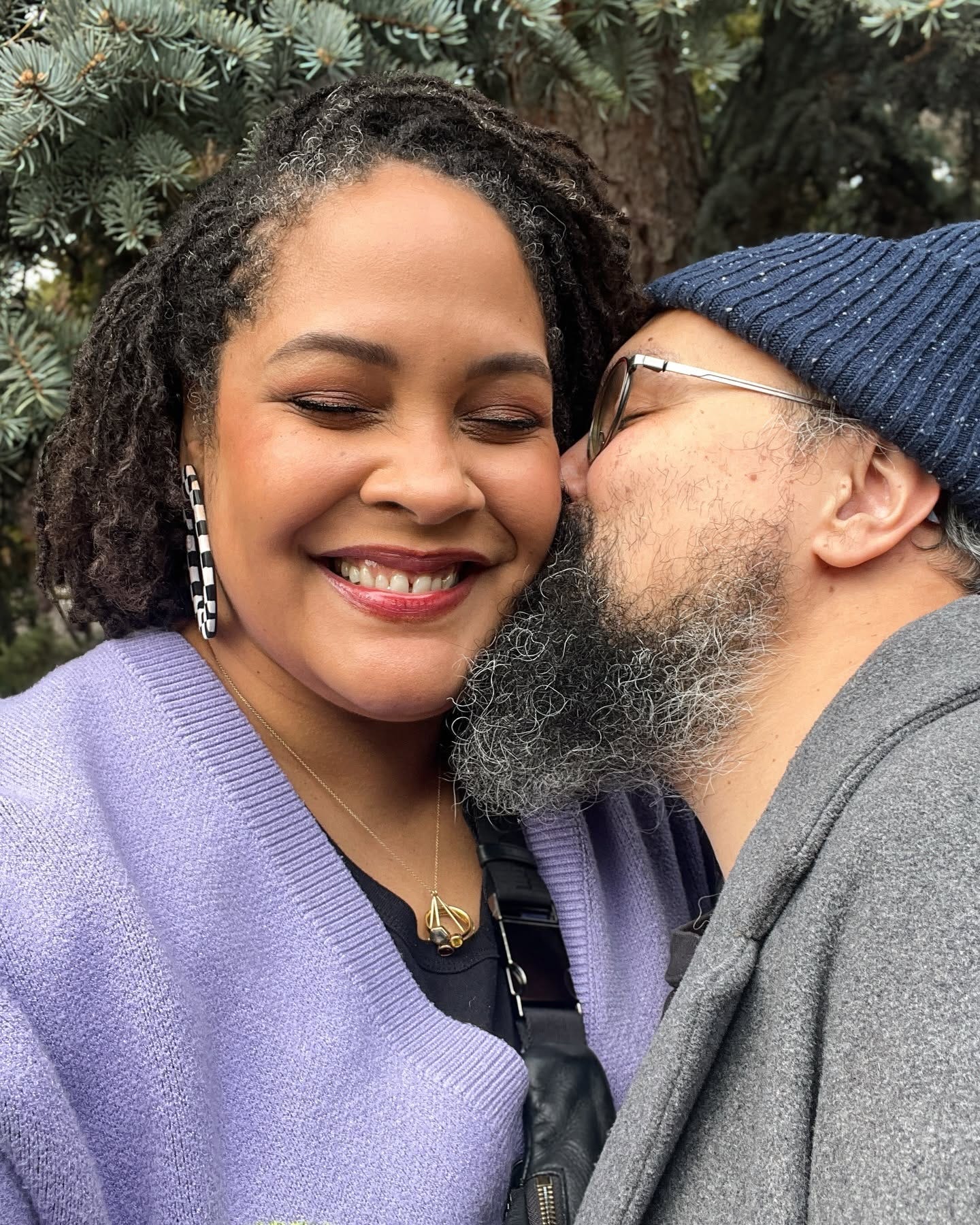
And I was okay, most of the time. What my brother had said was true. I had found somebody who I wanted to be with. Who I didn’t struggle to make time for. Being around Gabriel was easy and natural in a way that I had never experienced with anyone. There has not been moment in the almost eight years we’ve been together that I have not loved him and wanted to love him.
Even when my brain is being particularly nasty to me and all of my fears are at full volume, I’ve never wished to bring my world back down to the relative simplicity of me and my boys. I know that is impossible. I know what it’s like to love Gabriel and I can’t unknow that just like I can’t unknow my own name.
When we first started dating, Gabriel had a cough that wouldn’t go away. “You should get that checked out,” I would say, worry in my eyes. “I’m fine,” he would reply. Every day for the first few weeks I would recommend a doctor at least once. When he started to get annoyed at me I would just say it in my head every time I heard him cough. When you are a worrier, loving someone who doesn’t like going to the doctor can be a type of torture.
About a year into our relationship I woke up one night to a sound that was terrifyingly familiar: silence. My eyes shot open and I stared at my partner’s back and willed it to move. It was still as stone. I held my breath and started counting….one…two…three…then there was the awful gasp and the sound of breathing again. I started waking up multiple times a night to this silent alarm. If my count became too long, I would gently grab Gabriel’s shoulder and lightly shake him. Most of the time he wouldn’t wake, it would be just enough to jar him back into breathing again. Occasionally though he would wake up.
“Did you wake me? Were you making sure I was alive again?” He would sleepily ask.
“Yes,” I would reply.
“Okay, I love you,” he would answer, and fall back asleep.
It took two years to get Gabriel to go to the doctor. I sent him with a list of ailments that I needed him to check out.
The cough was simple. Acid reflux, the doctor said. Managed with a pill. The sleeping apnea was also simple, the doctor added. Just lose some weight.
Three years later the acid reflux hadn’t gone away and neither had the sleep apnea.* While one might guess that it is the sleep apnea I worry about the most, it is not. I had learned decades before I even met Gabriel how to manage that particular fear. I can function quite well while waking up multiple times in the night to make sure someone is still breathing. But the acid reflux, that is the one that really gets me.
It’s our anniversary night. We’re in Palm Springs. We had just returned to our midcentury rental from a romantic dinner. It would make sense to be having sex now, celebrating five years of love. But Gabriel’s acid reflux is bad that evening, so we decided to just go to bed and maybe try again tomorrow. He’s starting to snore and I’m suddenly panicking. It’s going to be bad, a voice in my head says. It was just acid reflux but you waited too long to do anything about it and now it’s cancer and he’s going to die and it’s going to be your fault. Your fault. Your fault. Your fault.
Gabriel notices me gasping for air next to him and asks me groggily, “Are you okay?”
“Yes,” I lie, and slip out of bed. I walk to the living room and start pacing. I’m picturing the doctor telling him that it’s cancer, that there’s nothing they can do. I imagine the realization that this is all the time I get with the love of my life. Your fault. Your fault. Your fault.
All of this could have been avoided if I had pushed harder. Even if he had gotten mad at me, if I had just made him go anyways.
Now I’m sobbing and it fully wakes Gabriel up.
“Hey, what is going on?” he asks me.
“You have to promise me you’ll go to the doctor when we get back home,” I beg. I don’t say everything that’s in my head, I don’t want to scare him.
“Okay, okay,” he says gently as he guides me back to bed, “Oh honey you really do love me. I love you.”
A few months ago, after a really difficult week, I made a post about intrusive thoughts. I had always been reluctant to share them with people, but I’ve long ago learned that if you are scared to share something with the world, there are guaranteed to be countless others with the same fear. So I outlined what some of my intrusive thoughts were, about my partner, about my children, about the person I drove by who was standing on the side of the road who I didn’t hit with my car - but what if??
The responses to the post were a lot of what I expected. A fair amount of people expressing sadness that I have to deal with such thoughts. A lot of people grateful to see someone else describe what happens to them, and even more people glad to finally have a name for the thoughts.
But the comments I wasn’t expecting were the ones along the line of, “Oh hey there OCD girly, I see you!”
I had therapy the next day and I’m telling my therapist about this. “The internet is so weird,” I conclude, chuckling.
I’m met with awkward silence.
“Soooo…..” my therapist says, “I really hate to call the internet right, but you do realize this is what we’ve been working on for years now, don’t you?”
My therapist explains that we’ve been trying to address my “magical thinking” and all of the things I do because of it. As an atheist and overall killjoy, I take some offense at the accusation of magical thinking, even if it’s an accusation my therapist has been making for years now.
“What would happen if you let this go, just for a little while?” My therapist has asked me so many times over the years when I am racked with anxiety over something I’m trying desperately to prevent in the world. Whether it’s cancer in my spouse, depression in my kids, police brutality or genocide, I always reach a point where my vigilance is too much, where it has me gasping for breath, unable to function.
“Everything would fall apart,” I answer.
“You think you’re holding it all together?” My therapist challenges. “Do you really think they couldn’t do it without you?”
“They fucking don’t,” I answer. All the time, the moment I let my guard down, nobody picks up the slack, I say. Nobody worries like I do. Nobody worries even half as much as I do.
When I tell my partner to handle our health insurance and he doesn’t and then he can’t get his medical tests then every late diagnosis is after that is my fault because I fucking knew how important it was and I decided to try to relax.
When the last presidential election was in full swing and I couldn’t stop. I couldn’t stop watching every news story, sharing every gruesome photo of the genocide people were ignoring, begging and pleading with people to use their voices while they could. When I was snapping at everyone who tried to argue with me, when I was unable to engage in conversation that wasn’t filled with desperation and fear. I could see in real time people disengaging from the world, turning inward and away from community or from justice. I needed to do what I could to stop it. My therapist would argue that I was suffering, and if that wasn’t enough, my work was also suffering.
“What if you took a week off?” My therapist asks. “Can you trust that others would be able to continue this work without you?”
“Absolutely not,” I say. “Look around!” I add, waving my arm around like I can conjure these images up like holograms. “How many fucking people can’t even say genocide? How many of my “peers” who built all these platforms on abolition and social justice have sold the fuck out? How can I take a break when that’s all that so many people seem to be doing?”
I could relax if others did more. I could sleep if I knew that somebody else was keeping watch. There is part of me that knows that this ridiculous and another part of me that sees every day that it is oh so true.
My therapist asks me if I want to let go of my need to control for every eventuality that might happen to the people I love. If I might want to let people be responsible for their own fates.
“No,” I emphatically say as my breath gets faster, “I cannot handle it. This - if I wasn’t checking, if I wasn’t making sure..no, I would just fall apart.”
I know there’s something fucking wrong with my brain, I’ve always known it. But I also know that there is something wrong with the chaos and injustice in the world that takes so many people from us too soon, and I know that there is something wrong with a world that decides that it’s somebody else’s problem.
How am I supposed to “let go” in this world? In 2026? Why the hell would I want to?
My most recent session with my therapist we are talking about the things I’ve been able to give up the need for control over (mostly household stuff) and the things I have no intention of giving up the need for control over (anything to do with the health of the people I love) - especially when it comes to Gabriel. I’ve made more progress with my children than I have with Gabriel. I know that you have to actually let children live their own lives and make their own choices, hard as it is. I know that if you don’t, they will be far worse off and even less safe in the world. As much as I hate that fact, I know it is true. I’ve worked hard to trust that I’ve given them a solid foundation. And I’ve worked hard to get used to just worrying silently, without trying to control what they do.
But I struggle when it comes to Gabriel. Maybe it’s because I know that the story of the rest of my life is tied to his. Maybe it’s because he is a full grown adult and I didn’t get to make sure that he went to every appointment when he was younger and so I have to make up for lost time.
I’m explaining to my therapist why I have no desire to work on this, even as the worry takes over my days. Whatever tools someone has to be able to let people they love decide their own fate are not tools I want in my arsenal. I may be a complete mess, but I’m a mess who is keeping this ship afloat.
“It’s loss that you are afraid of,” my therapist says. “This is all about loss.”
I nod and continue on about how I’m not letting go. How I just can’t. My therapist cuts me off.
“You haven’t said it, not once in our sessions,” my therapist says, “Not once have you said that you are afraid of losing Gabriel.”
“Ok,” I say, “Yes, I am afraid of losing Gabriel. He’s the one. He’s my person.”
Tears are streaming down my face as I continue even though I put makeup on before this session in a promise to myself that I wasn’t going to cry for once, “All I wanted in life was to be left alone, to be able to be myself by myself. And my kids - my kids were the only people I really needed in my life. They were the only people I couldn’t lose for so long. And I thought that was going to be it forever. Just them. But then I fell in love with Gabriel, at 38. 38! So late. I finally have a person and it’s already so late and if something takes him from me then I will never have another person I will want to be with again. If he doesn’t want to be with me one day, if we break up - I can be okay with that. But if something takes him away from me before I get the time I’m supposed to have, I will just have to know that this was taken from me and I….I can’t be able to say I didn’t do everything I can to prevent that.”
My therapist pauses to give me time to catch my breath. I get up in search of tissues and wipe my face. I sit back down a minute later.
"Ok, fear of loss,” my therapist says calmly, “we can work with that.”
*Gabriel would like the readers to know that he has since discovered the source of the acid reflux and is now sleeping much better with a c-pap machine.
This hit hard. I had recurring nightmares about my dad dying as a kid. Everyone looooves to tell an overweight smoker they're going to die if they don't smarten up and not one of those assholes thought for a second about saying it in front of his kids. People are such ignorant asshats.
I also feel like if the entire world is trying to run full tilt off the nearest cliff like a herd of lemmings on speed, trying to grab every coat and ankle to stop SOME of them is the only sane response. Am I taking on more emotional responsibility than I can actually handle? Yes. Am I being utterly unreasonable in my expectations for myself? Also yes. But I'm also pretty sure people who just shrug and mind their business are broken in far worse ways.
Jay Tilley <jayalexandertilley@gmail.com>
12:15 PM (2 minutes ago)
to ijeoma
Ijeoma.
Your latest piece is so revelatory for you.
There is so much of you, your history and priming, the context and conditions of your brain as it was configuring itself and setting patterns, frameworks of understanding, strategy, reference points, "truths"...etc. There is so much insight and wisdom and awareness coming out in your story that is essentially the blueprint for your own healing, which you may or may not know already.
You give yourself away many times over in the reflections of this latest share.....I wonder if that is entirely obvious to you, or if only partially, or if upon finishing a piece like this you don't even necessarily see all the pieces of your puzzle clearly laid out before you, the ones misfitting most highlighted.
I don't think this message will reach you, but if it does and you're at all curious to know more about all the clues and kindnesses and wisdom that you have offered to yourself in this piece, let me know.
Your brain is soooo beautifully not broken, complex, capable, containing all the support you need, just in configurations that are no longer what is needed or required in the present. Your brain kept you alive and safe in incredible ways to the best of its ability for as long as it could.....while trying also to develop robust balance and capacity for the first time, which it had to put off in many ways in order to deal with your immediate circumstances.
I'm amazed by our innate intelligence and the relentless communication of our healing 'blueprint' that always comes through in our creations and living.
With all my love and care and reverence.